

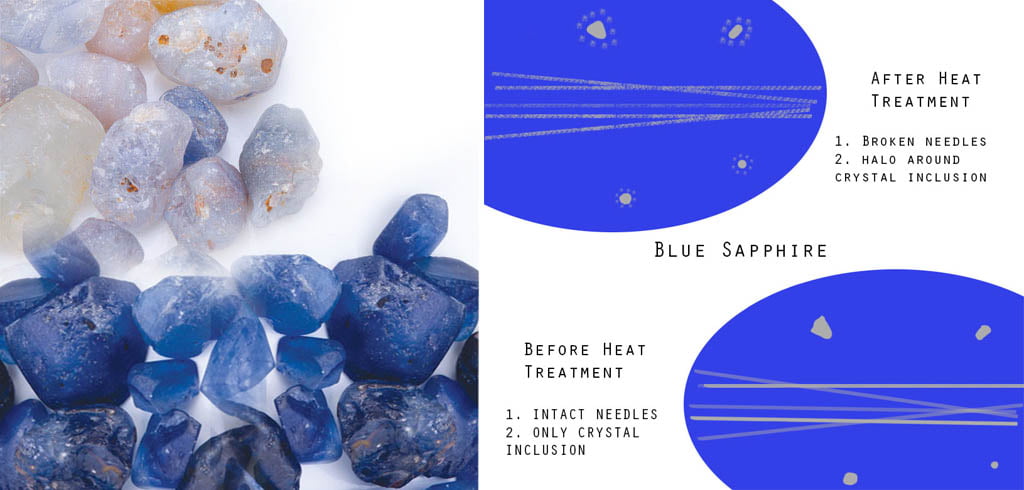
Unheated vs Heated Sapphires: Understanding the Key Differences
What Are the Differences Between Natural and Heated Sapphires?
When comparing Unheated vs Heated Sapphires, it’s essential to recognize their unique characteristics.
Understanding the differences in quality and value is crucial when considering Unheated vs Heated Sapphires.
When exploring the world of sapphires and other gemstones, you’re likely to encounter both natural and heat-treated stones. Historically, sapphires have been heat-treated for centuries worldwide to enhance their color, a method valued for its affordability and stability. While heated sapphires are widely available, natural, unheated sapphires captivate with their unparalleled beauty, rarity, and intrinsic value.
When discussing Unheated vs Heated Sapphires, it’s important to note that both types have their distinct appeal and benefits.
Understanding Basic Gemology: What Comprises a Sapphire?
Sapphires are primarily composed of the mineral corundum, or aluminum oxide, which also includes rubies, padparadscha, star sapphires, and a spectrum of sapphire hues. This fundamental composition underscores the shared origins of these diverse gemstones.
What Causes the Blue Hue in Sapphires?
The blue color characteristic of sapphires is due to trace elements, specifically the presence and proportion of titanium and iron within the corundum crystal. Achieving the perfect balance of these elements, alongside aluminum oxide, results in the gemstone’s signature blue.
Are Natural Unheated Sapphires Rare and Valuable?
Indeed, natural unheated sapphires, which have not undergone any form of treatment, are significantly rarer and more valuable compared to their heat-treated counterparts, owing to their pure, untreated state.
As a collector, knowing the distinction between Unheated vs Heated Sapphires can guide your investment decisions.
Do All Unheated Sapphires Look the Same?
No, each unheated sapphire showcases unique characteristics and variations that reflect the specific environmental conditions of its geological formation, making every stone distinct.
Why Are Unheated Sapphires Highly Valued?
The rarity and high demand for fine-quality unheated sapphires in the global market contribute to their high prices. These gems are esteemed for their brilliant color, achieved without any enhancements, embodying the perfect harmony of nature’s elements, artisanal cutting, and craftsmanship.
The market for Unheated vs Heated Sapphires continues to evolve, reflecting changing consumer preferences.
Why Is Heat Treatment Applied to Sapphires?
Sapphires are heat-treated to enhance their color, eliminate color zoning, and improve clarity. This treatment responds to market preferences for a more desirable blue shade, improving the stone’s appeal and potential value.
Is the Color Change from Heating Permanent?
Yes, one of the advantages of heating sapphires is the permanence of the color enhancement, making heat-treated sapphires a popular choice globally due to their stable, lasting color.
Are Heated Sapphires Identical in Appearance?
No, even among heated sapphires, each stone may display a distinct shade of blue. The heat treatment’s success largely depends on the precise conditions and the original trace element composition of each crystal.
Do Heated Sapphires Lack Desirability?
While heated sapphires might not possess the untouched allure of natural stones, they are still valued for their beauty, encompassing color, clarity, cut, and overall crystal quality.
Ultimately, understanding Unheated vs Heated Sapphires can significantly impact your buying choices.
What Makes a Better Investment: Heated or Unheated Sapphires?
Opting for an unheated sapphire, particularly those with vivid or royal blue hues and exceptional clarity, is generally considered a superior investment. However, certain heat-treated sapphires, especially those part of antique collections or originating from renowned houses, hold significant value due to their historical and artistic merit, not merely the gemstone’s quality or treatment. The rarity and demand for high-quality natural sapphires have surged in recent years, elevating their market value, a trend observed similarly among premium heat-treated sapphires.
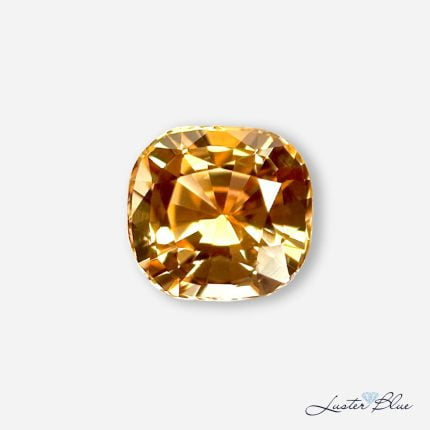
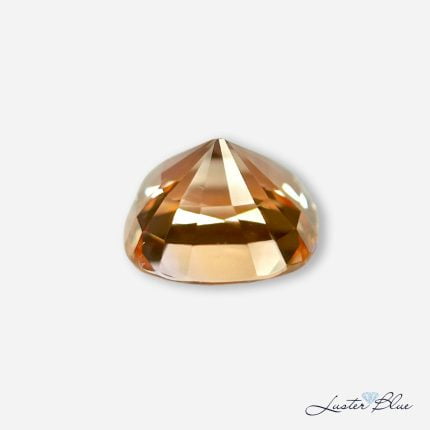
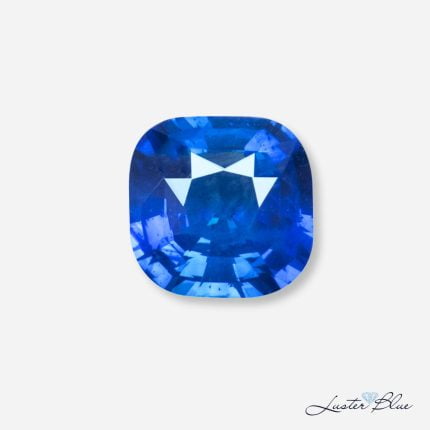
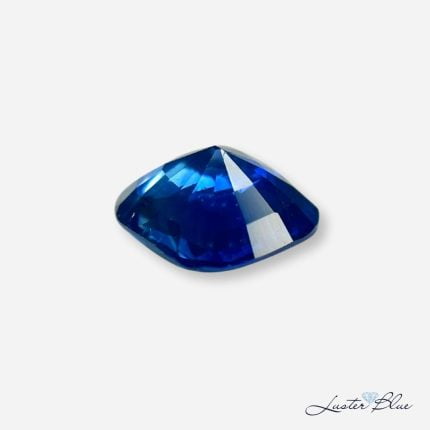
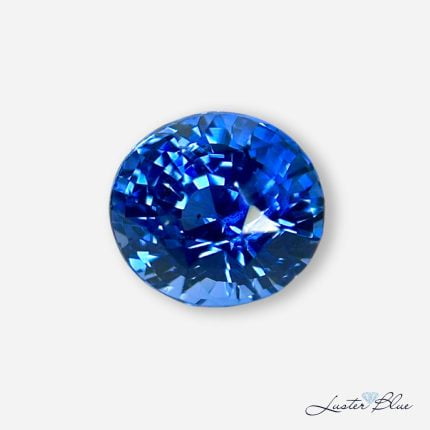

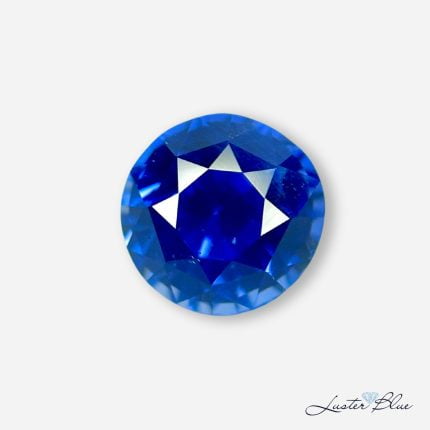
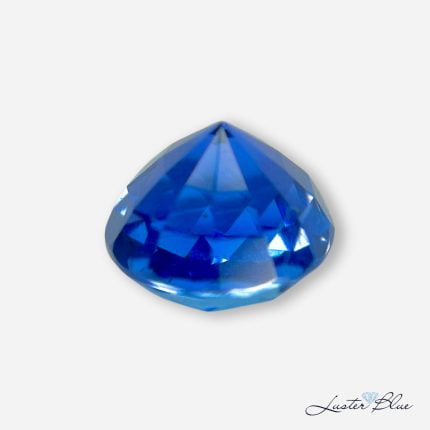
In conclusion, the clarity and color of Unheated vs Heated Sapphires play a vital role in their value.
Is there a visible distinction between natural and heat-treated sapphires?
Moreover, the investment potential of Unheated vs Heated Sapphires can vary greatly depending on market trends.
Without gemological expertise, discerning whether a sapphire has undergone heating can be challenging. However, a natural sapphire typically exhibits a softer and smoother surface appearance.
How can one differentiate between heated and natural sapphires?
To accurately distinguish between heated and natural sapphires, it’s essential to enlist the expertise of a highly skilled gemologist. Scientific assessments conducted by reputable laboratories such as GIA, AGL, Gubelin, SSEF, RGL, or GRS can provide conclusive results. These laboratories employ advanced equipment and experienced gemologists to analyze sapphires thoroughly. When purchasing a sapphire, it’s advisable to request a certificate from one of these esteemed laboratories to ensure authenticity.
Always seek professional advice when evaluating Unheated vs Heated Sapphires for purchase.


